Welcome!
February 2025
We're so glad to have you here!
This project has been 3+ years in the making (thought, procrastination, planning, and actually creating) and it's finally been realised!
Here's a Neu Intro:
- This is an app meant to help you get to A1 (on the CEFR scale) in Spanish, which means that you will be able to have basic conversations with others. We offer two varieties of the language that you can choose to learn: European Spanish or Latin American Spanish (while there are many nuances and different terms country to country, we tried to capture the overall picture- if European Spanish speakers used a certain word and there was a corresponding term used consistently across Latin America as a whole, each term was added to their respective variety).
- Neutboom is designed to mimic natural language acquisition. Remember when you were just a kid (the good old days...)? Maybe you learned the word "table" this way: your parents pointed to the wooden table you slapped paint all over on a biweekly basis (or whatever little hobby you had), said "table", and then, como mágico, it clicked:
you now know
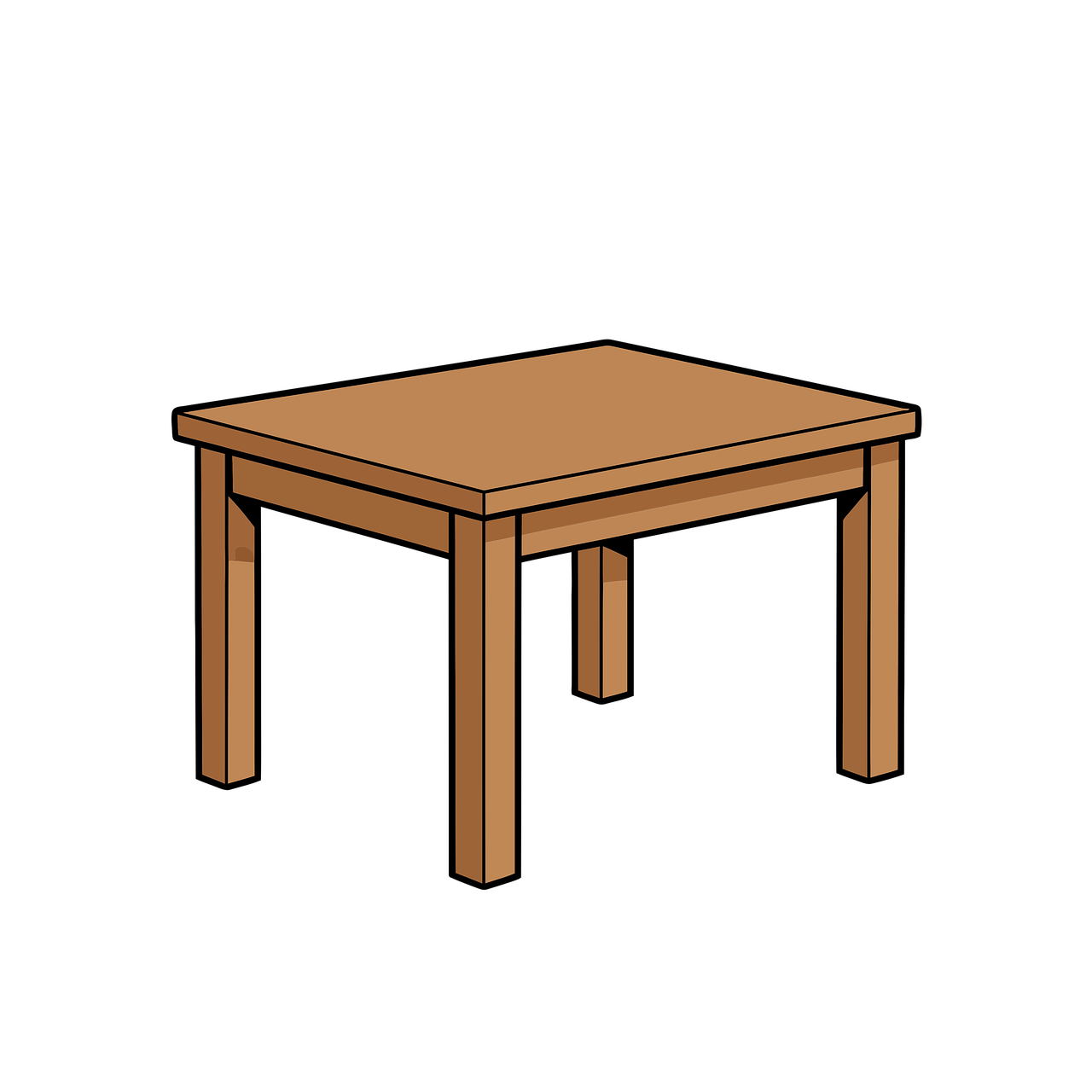 =
table
=
table
In this way, you are going from image to the word in English (your target language)- after all when you are a baby, your target language is what becomes your mother tongue. Today, however, some language learning platforms designed for English speakers use this mother tongue as an unnecessary middleman, like a pivot language. For instance (where the target language is Spanish):
=
table
=
mesa
There are two issues with using this model to learn a word in a foreign language:
1. It makes the process of language learning more difficult. As with pivot translation- translating from a source language into a target language via an intermediate (pivot) language rather than directly- there is the possibility of the English translation corresponding to more than one word, although only one of those Spanish words is correct given the context.
For instance:
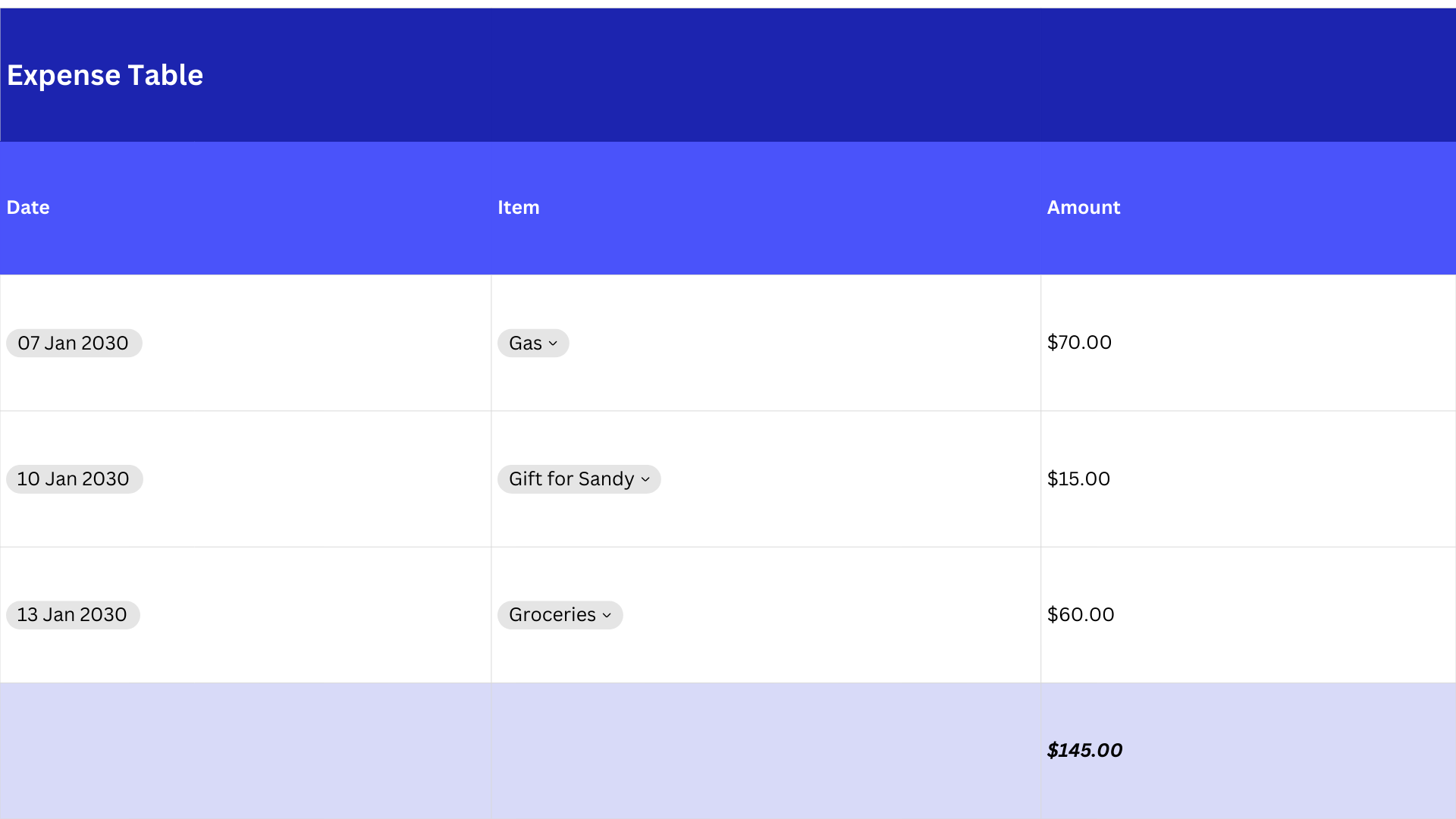
Having English as the middleman is now not only unnecessary (when you could just go from the image to the Spanish word) but can also be confusing, creating more connections than required. As the language learner, you now have to deal with the English translation referring to multiple objects, which all have different Spanish translations (making your end goal of getting from the image to the Spanish word more difficult). In turn, this extra cognitive step requires more time and doesn't allow for as strong of retention of the word's meaning.
2. It makes the application of your language learning more strenuous. For many language learners, the end goal is to be able to communicate fluently with others. Every conversation a learner participates in requires repeating the memory retrieval practice they learned. Using translation adds an extra cognitive step, and therefore communicating with others in real time may take more effort and time than expected.
"The results [of a study investigating the use of translation in ESL vocabulary learning] show that translation affects vocabulary acquisition of ESOL students. Extensive use of translation…does not transfer to the long term. Fluency, as manifested in longer response times, is also affected by extensive translation."
Saz, O., Lin, Y., & Eskenazi, M. (2015). Measuring the impact of translation on the accuracy and fluency of vocabulary acquisition of English. Computer Speech & Language, 31(1), 49–64. Read ↗
At Neutboom, though, we have translation take the backseat and allow you to reexperience your childhood wonder all over again- on every visual flashcard there will be a word on the front and then an image with an example sentence (which helps you learn words in context) on the back and then the converse (flashcards will be flipped after sufficient reviews which means they'll have the image and sentence with a blank to fill in on the front and then the Spanish word) so that you get to see both sides of the coin and retain the Spanish word for longer. Translation can be found by clicking a button but is never shown otherwise and is used as a backup for when you're stuck after trying both the image and the context.
Additionally, mimicking the way your parents would say a word and point at an object, you will be able to hear pronunciations for words while studying and have the opportunity to mimic what you heard to the best of your ability and have your pronunciation graded with real-time feedback. This eliminates many of the accent struggles language learners often face.
"The results [of a study examining the production of vowels] revealed a significant convergence with the model in the task in which talkers were required to immediately repeat after the model voice compared to the task in which they read orthographic representations of the words. Accordingly, it suggests that foreign language learners are able to modify their productions of nonnative vowels as a result of exposure to the model."
Royjczyk, A., (2012) "Phonetic Imitation of L2 Vowels in a Rapid Shadowing Task", Pronunciation in Second Language Learning and Teaching Proceedings 4(1). Read ↗
Finally, to top everything off, we use a Spaced Repetition System (SRS) for our flashcards. This means you won't just be tediously drilling flashcards. Instead, after reviewing a flashcard, simply rate how well you remembered the word (Again, Hard, Good, Easy) and let our algorithm take care of when you'll see the flashcard next. Flashcards you found easy will appear less often, while cards you struggled with will appear more often.
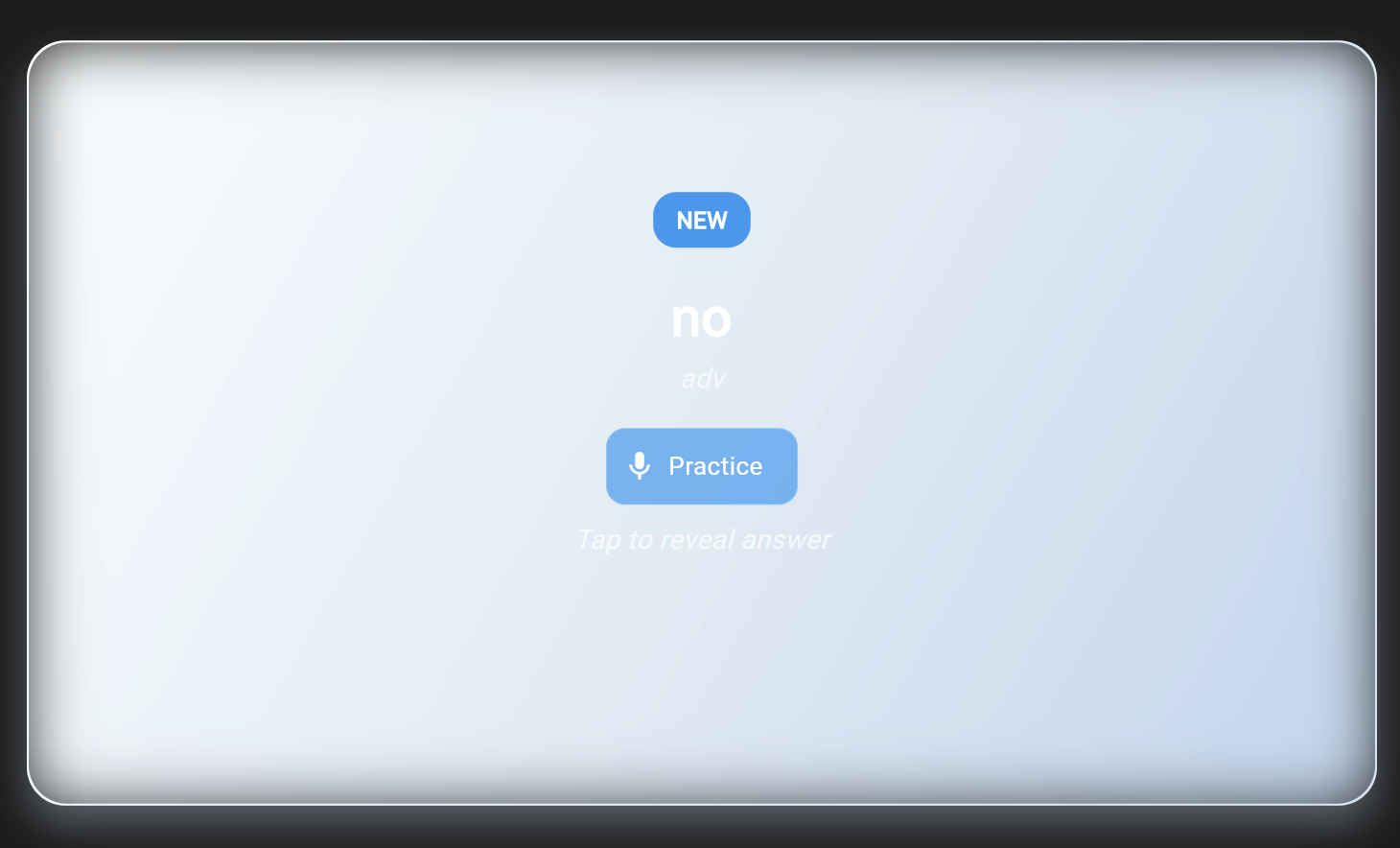
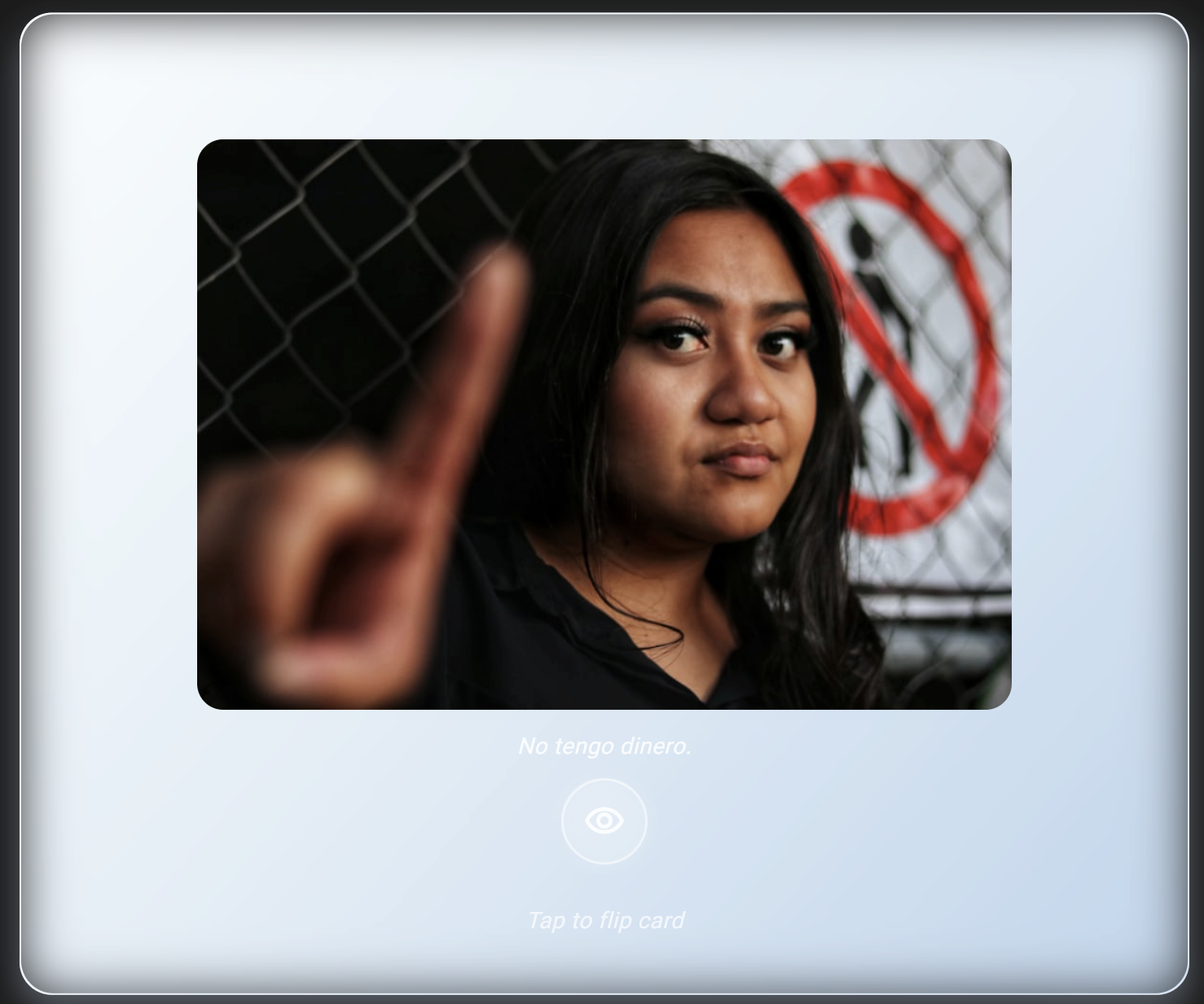
Screenshots from the app
"First, the spacing effect promotes [Long Term Memory] consolidation. Next, spaced practices result in a more robust enhancement of LTM encoding, recall, and recollection through both direct and indirect effects of memory processing characteristics."
Yuan X. Evidence of the Spacing Effect and Influences on Perceptions of Learning and Science Curricula. Cureus. 2022 Jan 13;14(1):e21201. doi: 10.7759/cureus.21201. PMID: 35047318; PMCID: PMC8759977. Read ↗
- And lastly we are an app of community! Invite your friends & see each other progress, take part in the weekly Story Challenge for a chance to win, make your profile picture funky, and ask questions/ share suggestions/or even just yap to our team (you'll get responses in letter form to your Mail, which can be found on the app).
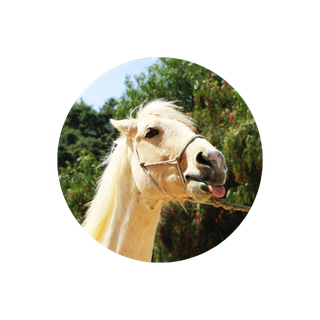

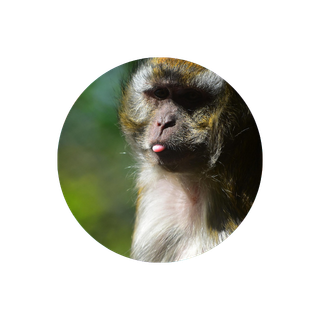
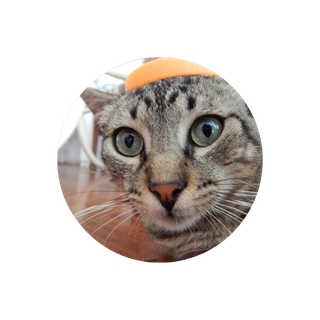
Just a couple wacky pfps
That's all for now. Hopefully you enjoy this learning space as much as we did creating it. 🍀